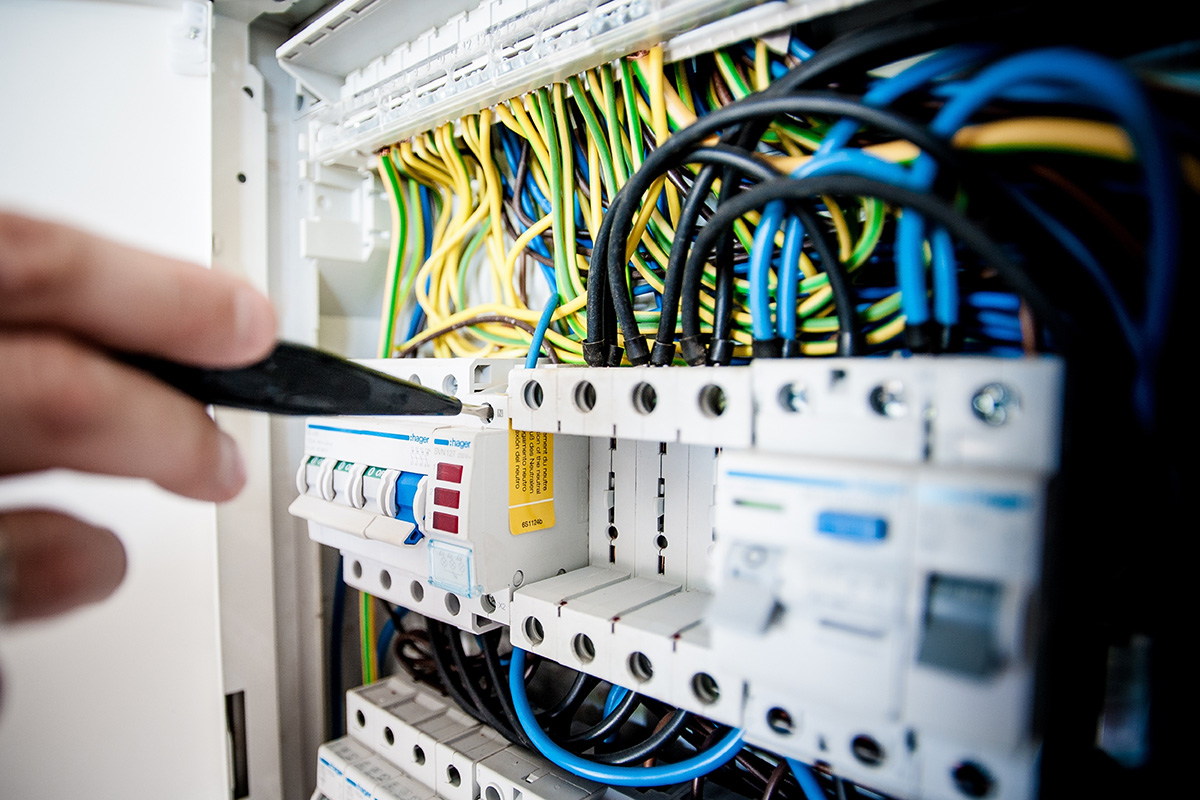
An electrical inspection and test is a detailed check of your property’s wiring, fuse board, sockets, lighting circuits, and electrical safety systems to make sure everything is safe and working properly. In homes and businesses across Surrey and West Sussex, including Horley, Reigate, Redhill, and Crawley, it is one of the best ways to spot hidden electrical problems before they become dangerous or expensive.
This guide explains what happens during an inspection, what electricians are actually looking for, how disruptive the process is, what paperwork you receive, and when an inspection is worth arranging.
In this guide:
- What an electrical inspection actually is
- What electricians test during the visit
- How long the process usually takes
- Whether the power needs to be switched off
- Common faults found in UK properties
- What the report means
- When landlords and homeowners should arrange testing
- What happens if problems are discovered
- Why qualified inspection and testing matters
What is an electrical inspection and test?
An electrical inspection and test is a formal safety assessment of your electrical installation. In the UK, this is often called an EICR, which stands for Electrical Installation Condition Report.
The inspection checks whether your electrical system is safe to continue using. That includes:
- Wiring hidden in walls and ceilings
- Consumer units or fuse boards
- Earthing and bonding
- Socket circuits
- Lighting circuits
- Safety devices such as RCDs, which are switches designed to cut power quickly during a fault
The testing side involves specialist equipment that measures whether circuits are operating safely and within current standards.
This is not the same as a quick visual check or a basic handyman inspection. A proper inspection involves both visual assessment and electrical testing by a qualified electrician.
Why would you need an electrical inspection?
In many cases, an inspection is arranged because someone wants reassurance that a property is safe.
For example, you may be:
- Buying or selling a property
- Renting out a home
- Moving into an older property
- Experiencing tripping circuits or flickering lights
- Planning renovations or an extension
- Installing high-load equipment such as EV chargers or heat pumps
- Unsure when the electrics were last checked
Older properties in areas such as Reigate, Redhill, and parts of Crawley often have wiring systems that have been altered several times over the years. An inspection can reveal hidden issues that are not obvious day to day.
For landlords, electrical inspections are also a legal requirement in most rented properties in England.
What does the electrician actually check?
The inspection starts with a visual assessment and then moves on to electrical testing using specialist equipment.
A qualified electrician will normally check:
- The condition of the fuse board or consumer unit
- Whether circuits are overloaded
- Signs of overheating or damaged wiring
- Socket and switch condition
- Earthing arrangements
- Bonding to metal pipework
- RCD protection
- Outdoor electrical supplies
- Garage and outbuilding circuits
- Previous DIY electrical work
- General compliance with current safety standards
Testing involves isolating circuits and measuring things such as resistance, continuity, and fault protection.
JPEC Electrical carry out inspection and testing work across Surrey and West Sussex and explain findings in plain English, which is especially useful if you are unfamiliar with electrical terminology or older systems.
Does the power need to be switched off?
Usually, yes, at least for parts of the inspection.
Some testing cannot be completed safely while circuits are live, so the electrician will normally isolate individual circuits or temporarily switch off the entire installation.
For most homes, the disruption is manageable. In a typical house in Horley or Crawley, the power may only be interrupted intermittently during the inspection.
For businesses, inspections can often be planned around quieter hours to reduce disruption.
The exact downtime depends on:
- Property size
- Number of circuits
- Accessibility
- Age and condition of the installation
- Whether faults are discovered
How long does an electrical inspection take?
Most domestic inspections take between two and six hours.
A small modern flat may take less time, while a larger older property with extensions, garages, or outbuildings can take considerably longer.
Commercial properties may require longer inspections depending on:
- Equipment
- Distribution boards
- Machinery
- Number of circuits
- Access arrangements
As a rough guide only:
- Small flat: around 2 to 3 hours
- Typical family house: around 3 to 5 hours
- Older or larger homes: 5 hours or more
If major faults or inaccessible wiring are found, additional investigation may be needed.
What problems are commonly found?
Electrical inspections often uncover issues that homeowners were completely unaware of.
Common examples include:
- Old fuse boards without modern safety protection
- Lack of RCD protection
- Damaged socket outlets
- Overloaded circuits
- Poor-quality DIY alterations
- Incorrectly installed lighting
- Deteriorated rubber or fabric-insulated wiring
- Loose electrical connections
- Missing bonding to water or gas pipes
In older parts of Surrey and West Sussex, it is not unusual to find electrical systems that have been partially upgraded over decades, leaving a mixture of old and new wiring methods.
That does not always mean the property is dangerous, but it does mean professional assessment is important.
What do the report results mean?
After the inspection, you normally receive an Electrical Installation Condition Report (EICR).
This report records the condition of the installation and any defects found.
Problems are usually categorised using codes such as:
- C1: Danger present. Immediate action required.
- C2: Potentially dangerous. Urgent improvement needed.
- C3: Improvement recommended.
- FI: Further investigation required.
A report containing C1 or C2 issues is generally considered unsatisfactory until repairs are completed.
A C3 recommendation does not necessarily mean the installation is unsafe. It usually means improvements would bring the system closer to current standards.
A good electrician should explain these results clearly rather than simply handing over technical paperwork.
Is an inspection worth it for newer properties?
In many cases, yes.
Even relatively modern properties can develop faults or contain poor-quality workmanship, especially if alterations have been carried out since construction.
An inspection can be worthwhile if:
- You have recently purchased the property
- An extension or conversion has been added
- You are installing solar panels, batteries, or EV charging
- The electrics have not been checked for many years
- You notice unusual electrical behaviour
Small issues caught early are often far cheaper and easier to fix than major faults discovered later.
What happens if faults are found?
If problems are discovered, the electrician will explain which issues are urgent and which are more advisory.
Some repairs can be completed quickly during a follow-up visit. Others may require more significant work, such as:
- Consumer unit replacement
- Rewiring damaged circuits
- Upgrading earthing or bonding
- Correcting unsafe DIY work
- Installing additional circuit protection
Not every inspection leads to expensive upgrades. In many cases, only minor improvements are needed.
JPEC Electrical help homeowners and businesses in Horley, Reigate, Redhill, Crawley, and surrounding areas understand the practical options available, including what genuinely needs immediate attention and what can reasonably wait.
Are inspections different for landlords?
Yes. Landlords in England are legally required to have rental properties electrically inspected and tested at least every five years in most cases.
The inspection must be carried out by a qualified person, and copies of the report must usually be provided to tenants and local authorities if requested.
Rental properties often receive heavier day-to-day electrical use, so regular testing helps identify wear, damage, or unsafe alterations.
For landlords with older properties in Surrey or West Sussex, inspections are especially important where older fuse boards or historic wiring may still be present.
Can older wiring still pass an inspection?
Sometimes, yes.
A common misunderstanding is that anything old automatically fails. That is not necessarily true.
Electrical inspections assess safety, not simply age. Some older installations can remain serviceable if they are in good condition and adequately protected.
However, older systems may still receive recommendations for improvement if they do not fully meet modern standards.
For example:
- Older consumer units may lack modern RCD protection
- Older cable types may be nearing the end of their lifespan
- Additional protection may now be expected in certain areas
A proper inspection helps you make informed decisions rather than guessing.
Why does qualified testing matter?
Electrical testing is specialised work that requires training, experience, and calibrated testing equipment.
Incorrect testing or poor interpretation of results can lead to:
- Dangerous faults being missed
- Unnecessary remedial work
- Invalid reports
- Insurance or compliance issues
This is particularly important where high-load equipment such as EV chargers, solar systems, battery storage, or heat pumps are involved.
JPEC Electrical are experienced local electrical and renewable energy specialists serving Crawley, Horley, Reigate, Redhill, Surrey, and West Sussex. They can assess existing installations properly, explain safety concerns clearly, and recommend practical solutions based on the actual condition of the property.
JPEC Electrical can help
JPEC Electrical can help with electrical inspections, EICRs, fault finding, fuse board upgrades, and wider electrical safety assessments for homes, landlords, and businesses across Surrey and West Sussex.
Whether you are buying a property, planning electrical upgrades, installing renewable energy systems, or simply want reassurance that your installation is safe, JPEC Electrical can provide proper inspection, testing, design advice, and clear recommendations based on your property and usage requirements.
For surveys, inspection work, testing, installation guidance, and tailored quotations, contact JPEC Electrical.
This article is intended as general information only and should not be treated as personal electrical or legal advice. Recommendations should always be confirmed through a proper inspection, survey, and assessment of the specific property and installation.